

November naturally turns our attention toward Thanksgiving, offering a wonderful opportunity to reflect on togetherness and appreciation. In our classrooms, peace is not simply the absence of conflict; it is an active daily pursuit rooted in Maria Montessori’s Peace Education and Cosmic Education. By weaving practical gratitude rituals into everyday home routines, we help children develop empathy, inner serenity, and global awareness.

Nurturing Tangible Sensory Gratitude in Toddlerhood
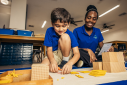
Very young children experience the world primarily through their senses, making abstract concepts of thankfulness difficult to grasp. We encourage guiding toddlers to notice tangible joys in their daily environment, such as the warmth of a soft blanket or the taste of fresh fruit. Naming these sensory moments together instills early awareness, presence, and quiet contentment.

Building Family Peace Corners and Elementary Gratitude Journals
Elementary students naturally ponder fairness, social harmony, and their growing roles in the wider world. We recommend establishing a peaceful reflection nook at home equipped with a shared family gratitude journal. Inviting children to sketch or write daily appreciations nurtures thoughtful reflection, strengthens emotional literacy, and anchors their growing understanding of communal harmony and personal responsibility.

Engaging Adolescents in Global Citizenship and Service
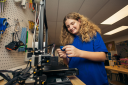
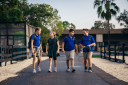
Adolescents crave meaningful purpose and possess a strong internal drive toward social justice. We suggest channeling this emerging worldview into collaborative community service, environmental stewardship projects, or thoughtful family dinner discussions. When older youth actively support local initiatives or analyze interconnected global systems, gratitude evolves from a quiet personal sentiment into impactful, compassionate citizenship and purposeful leadership.

Celebrating Global Interconnectedness Through Everyday Cosmic Education
Maria Montessori’s Cosmic Education demonstrates to children how every living organism and human culture contributes to our shared world. We invite families to explore the origins of daily staples and thank unseen hands like farmers and transport workers before meals. Recognizing this shared human effort cultivates deep humility, mutual respect, and lifelong reverence for all life.
At Country Day Schools, we believe that an authentic Montessori education nurtures both sharp intellectual clarity and compassionate hearts. Cultivating intentional gratitude at home bridges classroom learning with real-world harmony, preparing children to become proactive peacemakers in their communities. If you are seeking a supportive Tampa Bay Montessori school or an inspiring Montessori academy Tampa Bay parents rely on, we invite you to tour our classrooms or reach out to our team to discover our holistic programs.